

MAKE YOUR LIFE EASIER
We Buy Houses Virginia
“Sell My House Fast For Cash!”
Want to Sell Your House For Cash In Virginia? We Buy Houses As-Is Learn About Our Cash Home Buying Process!
Want to sell your house fast in Virginia? We buy houses fast and pay you cash. Whether you’re in debt and need money, facing bankruptcy, or have HOA liens, we can buy your home and pay you cash. Our reputation is built on trust because our offers are always close, and we never renegotiate. When you sell your house to us, you can avoid the stress of traditional selling methods. We provide a quick, uncomplicated sale that’s 100% free with no pressure to accept. When we buy Virginia houses, we make the selling experience smooth and efficient.

As a local cash home buyer, we understand the Virginia real estate market and assure you a competitive cash for your Virginia house. Sell to us TODAY and just be done!

“I had a pleasurable experience with the owners, Adam and Amanda. They were professional, sincere, honest and kind. They were punctural and thorough each time we met. I truly enjoyed doing business with them and highly recommend them.”
– Carolyn Smith
SELL WITH CONFIDENCE
Company That Buys Houses In Virginia

Welcome to The Cash Offer Company. We’re the company that buys houses fast and for cash. Owned and operated by Adam and Amanda New, a husband and wife team, we center our business around buying houses in Virginia and the surrounding areas.

When we buy homes, we ensure fair cash deals and fast closings without the classic bait and switch of renegotiating. It doesn’t matter what the situation is when you have to sell. If you inherited a home you don’t want, can’t afford the property taxes, are facing code violations, or are going through probate, we buy Virginia houses quickly and make cash offers. When it’s time to sell your house, we can help and provide a stress-free solution!

Sell your Virginia house without a Real Estate Agent 75% Quicker
We buy houses in Virginia in ANY CONDITION. No Hidden Fees or Commissions. Sell Your Virginia House As-Is And Close On The Day Of Your Choice. Fill Out The Form Below.

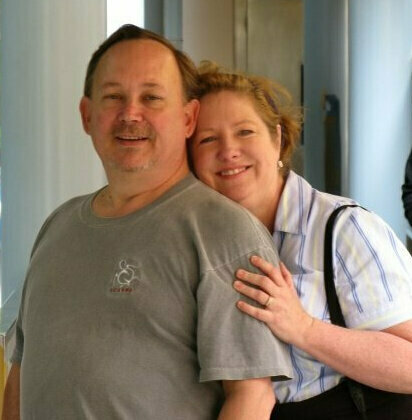
“We’ve worked with Adam and Amanda for years selling and fixing problem houses in our rental portfolio. If you’re considering selling your house fast, call them ASAP! They’re our go-to for all of our real estate headaches!”
– Mary Beth & Dan Rice
IN WHICH SITUATIONS?
We Buy Houses Virginia In All Situations
There are many reasons to sell your home to a cash for houses company. You may have liens on your house, you may be thinking about relocating, or you may simply want a quicker home sale. Here are some additional reasons you may need to sell your Virginia house quickly.

Avoiding Foreclosure
If you have defaulted on your mortgage and you need to sell your house quick to avoid having foreclosure on your credit report, we’ll make you a quick cash offer.
Job Relocation
If you just got a new job and you need to relocate, we’ll buy your home fast. Our process is fair, works on your timeline, and is easy to follow.
Bad Neighborhood
When it’s time to get out of a bad neighborhood for the safety of yourself and your family, sell your house to a cash home buyer and get paid quick.
Too Many Repairs to Deal With
If you’re worried that the repairs on your house will sink you financially, sell your house fast to a cash home buyer and get paid in cash.
Moving Due To Retirement
If it’s time to retire, sell your home, and downsize to something smaller, we’ll buy your house fast and pay you cash.

Inherited a House
If you inherited a house that you don’t want, can’t pay taxes on, and can’t renovate, sell it to us for cash. We can buy your house fast.
Getting a Divorce
If you’re going through a painful divorce and need to sell your property or house fast, we’ll buy it fast and pay you cash.
Tired Landlord
If you’re tired of tenants who aren’t paying the rent on time, sell your rental home to us for cash.

Family Emergency
When life hits you hard, and there’s a family emergency, you may need to sell your house quickly.
“Great company, even better people running it. Adam and Amanda are well versed in the local market and offer solutions to problems and concerns that even most attorneys or agents wouldn’t know how to help. Give them a call if you truly want a fair shake and honest opinion“
– Brent M.
OUR SIMPLE PROCESS TO SELL
How Do I Sell My House Fast For Cash In Virginia?
To sell your house fast in Virginia, sell it to a cash home buyer like us. We buy Virginia houses, pay cash, and have a thorough understanding of the real estate market in Virginia.
Here are the three simple steps you should follow to sell your house fast in Virginia.
Contact Us!
Contact us and tell us all about your house so we can get started on your offer.

Get Your Offer!
After reviewing your house, we’ll make you an as-is fast cash offer for your house.


Get Your Cash!
Choose the day you want to close and sell, and pick up your cash from us.
As professional homebuyers, we’re flipping homes, and we pride ourselves on transparency and honesty. You’ll work directly with us when we purchase your home for cash. We’re local and ethical real estate buyers who have detailed knowledge of the real estate market.
WHO WE HELP?
We Buy Houses For Cash In Virginia
No Realtor Fees
You won’t have to hire real estate agents when you sell your Virginia house to us. Realtors often bring lots of knowledge about the real estate market. However, they do charge a commission. In Virginia, agents typically charge 5-6% of what you get for your home. That’s less money going into your pocket. When we buy Virginia houses, we bypass the middleman (the agent), and you get to sell your house directly to us.
No Open Houses
When you sell your Virginia house for cash to cash home buyers, you get to skip open houses. You don’t need to stage your home, have your home listed, or haggle with potential buyers over financing details. We purchase Virginia houses directly from the owners, providing a fair, fast, and quick cash offer. When you sell the property to us, you don’t have to wait for months for the right buyer to come along.
No Stress
One of the biggest benefits when you sell your Virginia house to us is that there’s zero stress! We invest the time and effort into the property, so you don’t have to. All you have to do is accept our offer, get the cash, and move on. We buy houses using a hassle-free process.
SELLING MADE SIMPLE
Sell Your House In Virginia As Is
Thinking about selling your Virginia house fast? Here are six advantages when you sell your house for cash to us.

Close When You Want
We close on your schedule and on your terms when you sell. If you want to close quickly, we can do that. You choose the closing date and the timeline.
Competitive Offers
When we make deals on homes or property, you’ll get a fast and competitive cash offer that matches the housing market in Virginia.
No Repairs Needed
Renovating a house can be a large expense, and it takes a lot of cash. We buy houses in any condition, so you won’t have to worry about breaking the bank making fixes.

No Commissions Or Fees
When we buy Virginia houses, we don’t work with middlemen. You’ll work directly with us, which means there are no commissions or fees when you sell your house.

Fast Sale
We buy Virginia houses with a streamlined, fast, and straightforward process. While an average house can take three months to sell, we can buy your house and pay you cash within a week.

Private Home Sale
You get to have a private home sale rather than listing your house with an agent when you sell your house. This translates into a quicker home sale and more cash in your pocket.
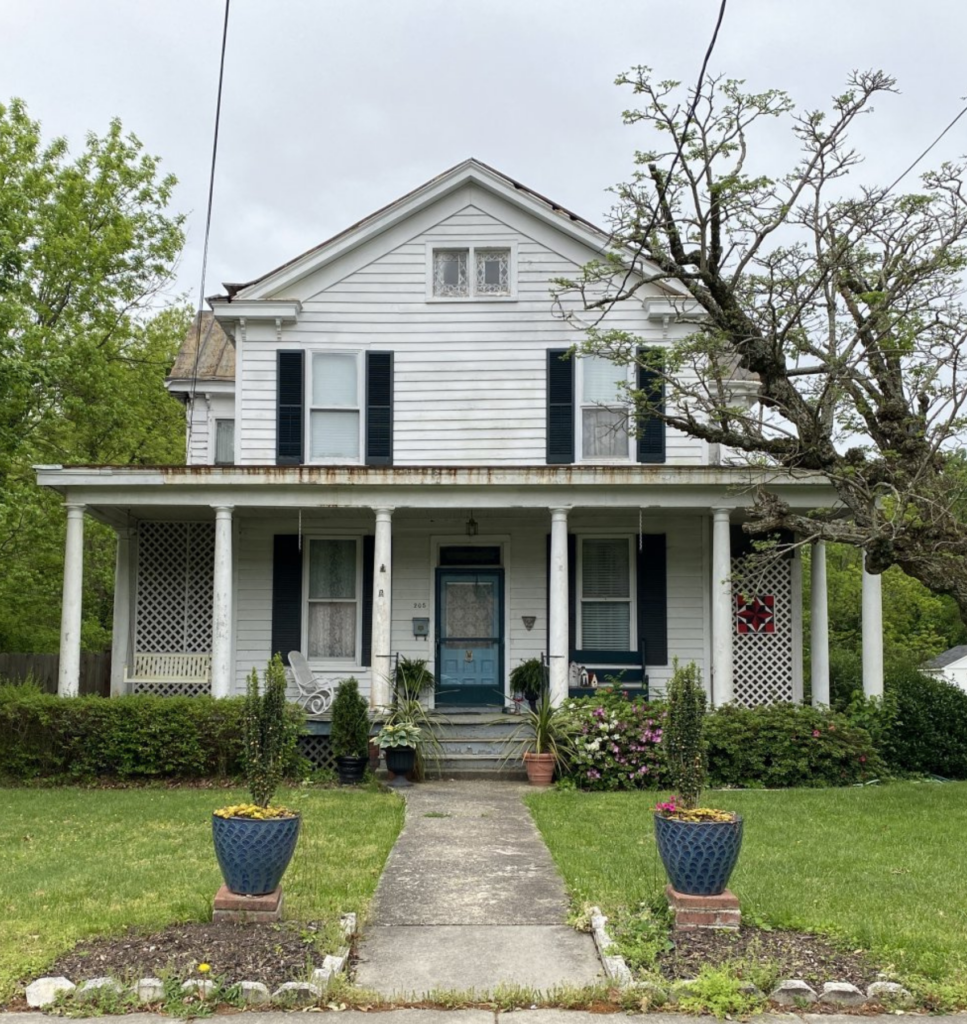
FAST SALE, NO REPAIRS!
Cash For My House In Virginia
Remember, when you sell your Virginia house, you don’t have to go the traditional home sale route, put your home up for auction, or have an MLS listing. You have other options. Like selling your house directly to a buyer, getting cash, and avoiding commissions? Want to avoid renovating your home, cleaning it, or waiting months for the bank to fund your buyer? Do you like putting up a “For Sale” sign in your yard?
We understand how frustrating a traditional home sale can be. Let us handle all the heavy lifting. When we buy houses, the condition isn’t important. We’ll take care of all the fixes and the cleaning and provide you with a fast and fair offer. Selling your house quickly to us is a hassle-free transaction that’s simple, fast, and straightforward.

You simply agree to our cash offer and schedule your closing date. We will buy your property fast, with cash, and we’ll take care of the headache.
We Bought Their Home, And We Can Buy Yours Too!


Sell Your House In Virginia, Without An Agent
Selling your home in Virginia without a real estate agent is easier than you think. We are NOT agents but cash home buyers in Virginia. Skip The Entire Listing Process By Simply Selling Your Home To Us!
See below the difference between listing with an agent and selling a home for cash.
| SELL To The Cash Offer Company | Sell Your House w/ An Agent | |
|---|---|---|
| Commissions / Fees: | NONE | You, the seller, pay 6% on average |
| Who Pays Closing Costs?: | NONE – We pay all costs | You, the seller, pay 2% on average |
| Mortgage Financing: | NONE – we make cash offers | Yes, the sale often subject to lender approval |
| Appraisal Needed: | NONE – When you sell to us | Yes, the sale is often subject to appraisal |
| Showings or Open House: | NONE | Daily/Weekly |
| Closing Date: | Sell On The Day of YOUR CHOICE | 30-60 +/- days after accepting the buyer’s offer |
| Who Pays For Repairs?: | NONE – We pay for all repairs | Negotiated before closing |
Where We Buy Houses In Virginia
We buy houses in Virginia and the surrounding cities, including Alexandria, Ranaoke, Manassas, and more. We can help you sell your Virginia house quickly, whether you have tax liens or can’t afford to fix it. We buy property and pay cash, no matter the condition! Our goal is to provide a fast, stress-free experience for home sellers. We have a 5-star Google rating, a testament to the fairness we give homeowners.
Sell My House Cash Virginia
• Virginia
• Alexandria, VA
• Arlington, VA
• Ashburn, VA
• Ashland, VA
• Bristol, VA
• Chantilly, VA
• Charlottesville, VA
• Chesapeake, VA
• Chester, VA
• Christiansburg, VA
Sell My House Fast Virginia
• Danville, VA
• Fairfax, VA
• Front Royal, VA
• Glen Allen, VA
• Harrisonburg
• Leesburg, VA
• Lynchburg, VA
• Manassas, VA
• Mechanicsville, VA
• Midlothian, VA
• Newport News, VA
Sell Your House Cash Virginia
• Norfolk, VA
• Petersburg, VA
• Portsmouth, VA
• Powhatan, VA
• Richmond, VA
• Roanoke, VA
• Salem, VA
• Suffolk, VA
• Virginia Beach, VA
• Waynesboro, VA
• Woodbridge, VA
Helpful Virginia Blog Posts
- Sell your House As-Is in Virginia
- Can I Sell My House in Virginia With Unpermitted Work?
- Can I Sell My House in Virginia With Back Taxes Owed?
- Sell My House in Virginia With Property Line Disputes
- How to Sell a House in Virginia With Termite Damage
- Selling a House in Virginia With an Uncooperative Co-Owner
- Can I Sell a House in Virginia With a Cloud on the Title?
- Sell a House with Mold in Virginia

Selling a House For Cash in Virginia Frequently Asked Questions
How do I know if my cash offer is legit?
To ensure your it’s legit when you sell your house, verify that the buyer is a reputable and trusted company with a long track record and references. If there are contingencies in the buyer’s contract, such as inspections or financing, be sure to go through these details carefully. Make sure to avoid companies that give you an offer before seeing your property so you’re not a victim of a bait and switch.
What Are The Pros and Cons of An All Cash Offer?
Like any house sale, an all cash offer comes with pros and cons.
• Pro #1: There’s little risk of the deal falling apart when you sell your house fast for cash as there’s no lender to reject the mortgage application. In July 2022, just 16% of purchase agreements fell through. As professional homebuyers, we don’t rely on funds from banks or lending institutions. What does that mean for owners? It means we buy houses fast without having to get 3rd party approvals.
• Pro #2: Speedy Sale: Cash sales tend to close much faster than the traditional financed deals because there’s no middleman and there’s no need to secure financing. Companies that buy homes can buy your house with money within weeks, days, or even hours.
• Pro #3: Fast Cash: If you need fast cash, an all cash offer gives you instant cash. This can be a lifesaver if you’re unemployed, need money, or you’re going through a divorce. You can also avoid tax complications that may come with a prolonged sale, especially if there are tax liens on your property.
• Pro #4: Avoid Formal Inspections and Appraisals: With an all cash offer, you don’t need a formal inspection or home appraisal on your duplex, house, or property. Appraisals and inspections can lead to delays, especially if the appraised value is significantly different from what you’re selling the house for.
With an all cash offer, you’ll get convenience, speed, and peace of mind, making it a great option for sellers who want to sell quickly. You can also quickly access the equity you’ve built up in your home. Plus, there are no closing costs and no hidden fees when you sell your house to us. We have experienced investors in Virginia and are ready to make you a fast and fair offer. Just fill out the form on our website!
• Con #1: You Might Get A Lower Sale Price: Rocket Mortgage notes many real estate investors and house flippers follow a 70% rule, “meaning they will determine their maximum price as 70% of the estimated after-renovation value of the home, minus the cost of repairs.” In other words, when you sell your house to a company that pays cash, you can expect a reasonable that’s 70% of the market value minus renovation costs. They’ll buy your house, no matter the condition, but expect a lower offer as a result.
• Con #2: You Might Pay High Hidden Costs: Surprisingly, some companies that pay cash have hidden costs or “service fees.” These fees can be as high as 13% of the home sale price. Fortunately, we’re not one of them. We’re honest and straightforward when we buy property, and the initial quote when you call us to sell your home is what you’ll receive.
Selling your house quickly can sound like a wonderful option, but it isn’t for everyone. If you like the idea of a quick cash sale, you don’t want to renovate your house, and you need fast cash, then you should sell your house for cash in Virginia. When we buy houses, we do everything we can to bring the highest cash offer possible to sellers, and our offers are always no obligation. Request more information today!
What is the fastest way to sell a house?
The fastest way to sell real estate or any property is to sell it to a cash buyer like us. When we buy houses, you get to skip repair work, showings, and endless negotiations. Our streamlined process is fast and without the headaches that come when you sell your house via traditional channels. You’ll get a quick cash sale, and you’ll get paid quickly.
Are companies that offer cash on a house legit?
Yes, many companies that provide cash for houses are legitimate, but it’s important to do your homework if you want to sell quickly. Check for transparency and hidden fees, and look online for reviews. A reliable company will have positive reviews and a solid track record.
The Easiest Way To Sell Your House In Virginia
When you sell your house fast for cash, you’ll reap numerous benefits. It’s a fast, straightforward process and it does away with all the stress of traditional selling methods. Plus, no commissions, no appraisals needed, and no long waiting periods. At The Cash Offer Company, our offer comes with no obligations. We buy houses for cash in Virginia, no matter the condition. If you like our proposal and need quick cash, we’ll buy your home and ensure you get paid quickly! Contact us at (804) 215-4004 and fill out our form to get started.
