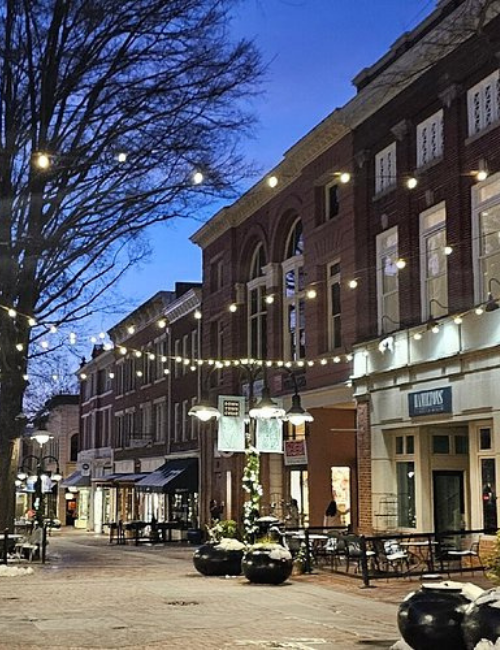
Understanding the property tax rate in Charlottesville, Virginia, can help you plan more confidently for homeownership and investment. At The Cash Offer Company, we guide you through how the city’s tax rate, applied to assessed value, affects your overall costs and financial decisions.
Understanding the Charlottesville, VA Property Tax System
In Charlottesville, the property tax system is essential for local governance, significantly affecting real estate owners. Property taxes are levied on real estate, and grasping the mechanics of these taxes is crucial, as they impact financial choices and the total expense of owning property. In Charlottesville, the tax rates vary considerably compared to those in nearby Albemarle County, resulting in a unique landscape for local property owners. Understanding these distinctions enables better navigation and strategic planning of financial obligations associated with real estate investments in Charlottesville.
Overview of Real Estate and Personal Property Taxes
Property ownership in Charlottesville is influenced by real estate taxes. Property taxes contribute to funding for public education, infrastructure development, and emergency services. The municipality assesses the value of the property to determine equitable annual tax rates. In Charlottesville, the tax obligations for residential and commercial properties vary based on factors such as location, size, and intended use.
Local government initiatives are funded by property taxes, which also influence trends in the real estate market. Elevated property taxes could discourage potential buyers, influencing the overall market landscape. Grasping these taxes is essential for current and future property owners. The unique positioning of Charlottesville results in property tax rates that can vary significantly compared to those in the adjacent Albemarle County, influencing choices for homes that span these areas.
How Charlottesville’s Tax Rates Compare
Tax rates in Charlottesville and Albemarle County differ significantly. Since these two jurisdictions share an economic region, understanding their distinctions is crucial. Charlottesville’s real estate taxes are higher than those in Albemarle County due to the need for better public services and infrastructure in our urban environment.
Higher taxes in Charlottesville fund public services like education and transportation, strengthening the community. To guarantee financial stability for local operations, property and real estate taxes must balance.
Property and investment decisions are heavily influenced by tax rates. Homeowners and investors may choose Albemarle County’s lower property taxes, but others may like Charlottesville’s more services. Investors and residents should consider current rates and local regulation-driven changes.
Get a fair cash offer and sell your home for cash in Charlottesville and nearby cities, efficiently and without hassle.
The Role of County Government in Property Taxation
It is critical for the county government to monitor local property tax systems, which influence how much money residents in Albemarle County have. The tax relief programs and review process are critical components of this system, ensuring that everyone pays their fair share of taxes. When you consider what the county is responsible for, you can understand how property taxes influence how people buy and sell properties. Knowing these facts about their houses allows owners to better manage their taxes and make informed decisions.
County Assessment Process and Criteria
The county government’s property tax assessment procedure is key to understanding local taxation. This assessment starts with the property’s fair market value, which determines tax responsibilities. This involves analyzing Albemarle County real estate statistics, including location, size, and sales trends. The county conducts annual assessments to ensure property values reflect market realities. Proper assessments affect property taxes; thus, they must be accurate.
Assessors analyze tangible qualities and economic aspects affecting real estate markets. County professionals must use economic forecasting to adjust assessed values due to property sales, demand, and development. This detailed method promotes fair taxation and prevents static assessment inconsistencies.
Property owners can appeal an assessment if they think it misvalues their property. This appeals process requires supporting evidence, such as similar property sale prices or property condition reports. Albemarle County allows market-based property tax modifications to guarantee fairness.
County Property Tax Relief Programs
County property tax relief programs protect homeowners from financial hardship. Albemarle County provides several relief programs for elders, disabled individuals, and low-income families. These programs lower property taxes to make homeownership more affordable for low-income families.
The homestead exemption lowers a property’s assessed value and tax burden. Applicants for this exemption must satisfy residency and income requirements. In addition to the homestead exemption, the county may grant relief to veterans and surviving spouses. Eligible Albemarle County landowners may delay property taxes until certain conditions are met, such as a property sale. Persons on fixed incomes may profit from the brief relief from penalties provided by this deferment.
These solutions help the county to maintain property values and a thriving real estate market. Property owners‘ participation in these activities contributes to a county government that is both economically responsible and helpful.
At The Cash Offer Company, we buy houses in Richmond and other areas, providing homeowners with a fast and hassle-free selling experience.
Calculating Your Property Tax Rate in Charlottesville
Knowing how to figure out the property tax rate in Charlottesville helps you estimate your yearly costs of owning a home better. When doing these calculations, you need to take into account things like how much the property is worth and how the county tax rates change. It is very important to keep up with changes in the local real estate market. Tax rates are also affected by changes made by the county to meet economic needs or changes in policy. With this useful information, property owners in Charlottesville and Albemarle County can now make smart choices and handle their money well.
Factors Influencing Your Tax Rate in Charlottesville, VA
The financial responsibilities of property owners in Charlottesville are influenced by various elements that impact property tax rates. The evaluated worth of a property is crucial. The annual assessment of this value is based on an evaluation of the property’s fair market value, taking into account factors such as location, size, and condition. Precise assessments guarantee that property owners contribute an equitable sum for their market worth.
The assessment processes in Charlottesville and Albemarle County hold great importance, as any inconsistencies may result in unjust tax burdens and prompt property owners to file appeals. Economic factors play a significant role in influencing property taxes. Tax rates should adjust in response to fluctuations in demand and supply within the local real estate market. A robust housing market has the potential to increase property values and tax rates, whereas a sluggish market may lead to a decrease in taxes.
Residing in Charlottesville or Albemarle County comes with distinct tax implications. In rural and suburban areas, property taxes tend to be lower compared to metropolitan regions such as Charlottesville, where a wider range of services and amenities are available. It’s essential for homeowners to grasp these elements as they significantly influence their financial strategies and investment choices. Being informed about these factors enables property owners to plan effectively for adjustments in their yearly property tax responsibilities.
Understanding County Tax Rate Adjustments
Charlottesville and Albemarle County oversee property tax structures, adjusting county tax rates to align budgetary strategies with the needs of the community. Modifications enable the county to enhance essential services that positively impact the community. Each year, the county government determines tax rates by evaluating operational expenses, expected income, and key priorities for infrastructure and local development.
Tax rate adjustments provide the necessary funding for long-term initiatives that demand ongoing investment. To adequately support roads, public buildings, and emergency response systems, it is essential to implement further adjustments to the tax rates. Counties can enhance revenue by adjusting rates during economic growth, taking advantage of increasing property values without placing additional strain on property owners. During times of economic challenges or when property values are low, there may be a decision to keep property tax rates steady or even decrease them to alleviate community financial burdens.
The sentiment of the public and the political landscape can influence county tax rates. Community members provide input to local government representatives during public consultations and hearings. Decision-makers utilize this feedback to ensure tax changes resonate with public expectations and reflect the socioeconomic landscape. Being well-informed enables property owners in Charlottesville and Albemarle County to effectively prepare for adjustments in property taxes.
Looking to sell your property? We provide a fast, straightforward, and fair process. For assistance, Contact Us at The Cash Offer Company.
Paying and Managing Your Property Taxes in Charlottesville, VA
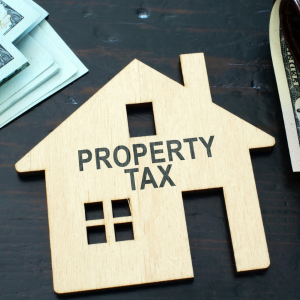
To understand your duties when it comes to property taxes in Charlottesville, you need to look into your payment alternatives and know what will happen if you don’t pay your taxes. If you handle your taxes effectively, you can avoid money problems, especially in places where tax laws are different. Paying your property taxes on time is important to avoid fines and stay in compliance. People may better manage their money and make sure their budgeting plans stay on track if they understand the several ways to pay taxes, when they are due, and what happens if they are late.
Payment Options and Deadlines
Homeowners in Charlottesville must make regular tax payments in order to retain financial stability and comply with local legislation. Charlottesville offers a range of tax payment methods to help with the process. Payments can be made online, in the city treasurer’s office, or by mail. Property owners can choose the method that best matches their needs. Due to their convenience, online payments are becoming increasingly popular.
It is very important to remember when tax deadlines are, because forgetting them can have big consequences. People who own land in Charlottesville have to pay taxes on it twice a year. It is very important to keep a close eye on these dates so that you don’t rack up interest and fines that can greatly increase your tax obligations. The city sends out reminders before due dates to help people keep track of their payments.
Property owners might improve their financial planning by looking at different payment choices and sticking to deadlines.
Consequences of Unpaid Taxes in Charlottesville, VA
Defaults on property taxes in Charlottesville can profoundly affect personal finances and property ownership. The municipality levies interest on penalties for delinquent property taxes. The interest, calculated at a set rate, compounds and increases the total debt. Nonetheless, property owners may face increasing financial burdens, necessitating the prompt resolution of outstanding taxes.
Neglecting to remit property taxes may result in the imposition of a tax lien by the municipality, accompanied by the accumulation of interest. The presence of this lien in public records may hinder the sale or refinancing of the property. Tax liens may deter prospective purchasers, diminishing the property’s appeal. Regular tax payments maintain property value and increase market attractiveness.
In some circumstances, the city may opt to auction homes with delinquent tax obligations. This undermines property ownership and equity. Homeowners in Charlottesville can protect their property interests by prioritizing tax payments and understanding the potential consequences.
Looking to sell your home? Sell fast, avoid costly fixes, and skip the hassle. The Cash Offer Company is ready to help. We offer fair cash offers, handle the details, and simplify the process. Call (804) 215-4004 today for a no-obligation offer and get started.
FAQs:
What Are the Two Main Types of Property Taxes in Charlottesville, VA?
In Charlottesville, Virginia, property taxes are divided into two categories: real estate taxes and personal property taxes. Real estate taxes apply to property ownership, whereas personal property taxes are assessed on assets.
How is the Assessed Value of a Property Determined in Charlottesville?
Property values in Charlottesville are assessed annually based on fair market value. This approach evaluates location, size, and property condition.
What Happens if You Fail to Pay Property Taxes on Time in Charlottesville?
Failure to pay Charlottesville property taxes on time can result in interest, a tax lien, or a tax sale.
Are There Tax Relief Programs Available in Charlottesville or Albemarle County?
Yes, Albemarle County offers tax relief programs, including the homestead exemption for seniors, handicapped people, and low-income households.
How Do Property Taxes Affect Real Estate Market Trends in Charlottesville?
High property taxes can deter purchasers, impacting Charlottesville’s real estate market. Current and future property owners must understand property taxes to invest wisely.
Helpful Charlottesville Blog Articles
- Fun Facts About Charlottesville, VA
- Free Things to Do in Charlottesville, VA
- Best Charlottesville, VA, Property Managers
- Charlottesville, VA, Neighborhood Map
- Charlottesville, VA Capital Gains Tax Calculator
- Is Charlottesville, VA, Safe?
- Is Charlottesville, VA, A Good Place to Live
- Best and Worst Neighborhoods in Charlottesville, VA
- Charlottesville, VA Cost of Living