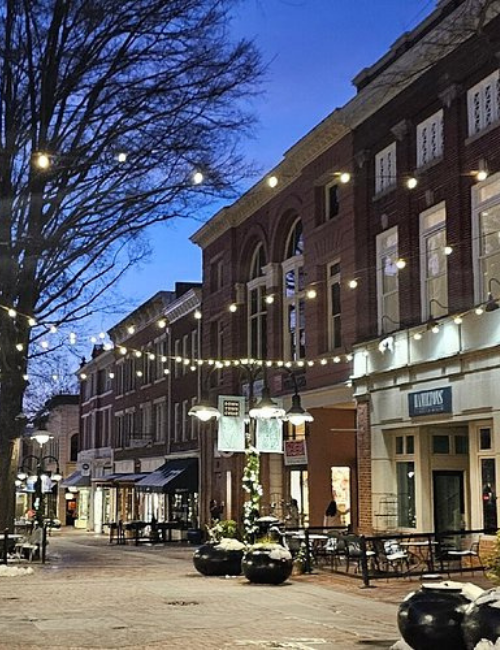
At first glance, Charlottesville could seem like a calm, beautiful college town with vistas of the Blue Ridge Mountains, old brick buildings, wineries, and the University of Virginia right in the center of it all. But when you start looking at communities, the quality of life varies quickly based on where you live.
Some places feel like movie sets, with front porches, coffee shops you can stroll to, top-rated schools, and homes that seldom even go on the market. Others have trouble with greater crime rates, older homes, and fewer amenities, where low prices come with evident drawbacks.
You need more than just tourist brochures if you want to live here, invest, or sell. This list shows you the safest, most dangerous, and middle-ground neighborhoods in Charlottesville based on safety trends, schools, property prices, lifestyle, and what people who live there say about it.
Let’s get started.
Crime Rates in Different Parts of Charlottesville

Charlottesville is safer than a lot of other U.S. cities of the same size, yet crime still happens there, and where you live is very important.
There are more property crimes than violent crimes in the city as a whole, and most of them happen in certain areas rather than being spread out evenly. Thefts, automobile break-ins, and even violent crimes happen more often in areas near major roadways, older apartment buildings, and some public housing areas. On the other hand, western and northern areas with single-family houses and homeowners’ associations have a lot fewer problems.
Neighborhoods surrounding the University of Virginia (UVA) are usually busy and dynamic, which implies more people walking around and some minor crime, but not always a lot of violent crime. People in the neighborhood are most worried about parts of 10th & Page, Rose Hill, and South Belmont, where property crime and other problems happen more often than in other parts of the city.
On the other hand, some think that areas like Locust Grove, Dunlora, Ivy, and Keswick and the communities around them are among of the safest in the area because they have quiet streets, low-density housing, and a lot of community involvement.
Patterns of Property Crime
People in Charlottesville talk more about package theft, automobile break-ins, and garage burglaries than about violent crime. More of this happens in locations with more rental housing, students, or older multifamily complexes.
Because of the high number of people living there and the high turnover rate, neighborhoods close to downtown and regions with a lot of students near UVA have more opportunistic property crime. On the other hand, neighborhoods that are more suburban and away from downtown, especially in Albemarle County just outside the city borders, have less problems.
In mid- to higher-priced neighborhoods, it’s common to see security cameras, well-lit porches, and active neighborhood watch groups, which can create an added sense of safety. In some more affordable areas, residents often mention needing to stay extra alert—especially when vehicles are parked on the street—something to keep in mind if you’re planning to sell your house fast in Charlottesville and want to highlight location-specific factors buyers care about.
Charlottesville’s Best Neighborhoods
These neighborhoods are the greatest in Charlottesville for quality of life. They have good schools, are safe, are easy to walk around in, and have long-term property value.
Locust Grove
Locust Grove is in the northeast part of Charlottesville and is always one of the most sought-after places to live in the city. The streets are quiet, with big trees on both sides and well-kept single-family homes. Most of the city has more crime than this area, and people who live here typically say it is tranquil and family-friendly.
Charlottesville’s home prices are usually in the upper mid-range because of the mix of room, safety, and being close to downtown. You’re only ten minutes from the Downtown Mall, but it feels like you’re far away from the noise of the city. Schools in the neighborhood are well rated, and neighbors tend to stay for a long time, which keeps the community active.
Dunlora
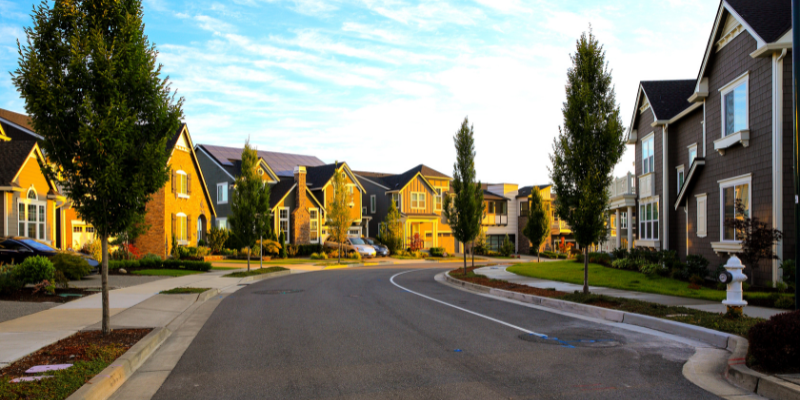
Dunlora is a planned area in Albemarle County, just outside the city boundaries. It has a suburban atmosphere that many families who are moving there adore. The homes are newer than in many other city neighborhoods, and the area has walking paths, green space, and a calm arrangement for homes.
There isn’t much crime here because there isn’t much traffic, and there are a lot of homeowners. The schools that feed into Dunlora are some of the best in the area, and property values have stayed high even when the market has slowed down.
Dunlora isn’t the best place to stroll to restaurants or nightlife, but it always ranks near the top for safety and stability.
Ivy
Ivy is in Albemarle County, which is technically west of Charlottesville. It’s a place where country style meets luxurious living. The terrain is mostly made up of big lots, rolling hills, and estate-style homes. This is one of the safest and most respected places to live near Charlottesville.
Prices for homes are high, but buyers gain privacy, beautiful views, and access to great schools. Many professors and staff at UVA prefer Ivy because it is quiet and easy to go to campus and downtown.
Belmont (Upper and Belmont Hill)
Over the years, Belmont has become one of Charlottesville’s most fashionable districts. The upper parts of Belmont, away from the lower industrial area, have a mix of old residences and new ones that have been updated.
People who live here love that they can stroll to restaurants, coffee shops, and the Downtown Mall. Compared to other central areas, crime is low to moderate, and the community is very involved. Belmont is one of the city’s best places to buy a home because prices have gone up so quickly.
North of Downtown
North Downtown has charm, walkability, and a sense of history. This neighborhood is great because it has brick pathways, restored historic homes, and is close to the Downtown Mall.
The region has less crime than areas with more mixed-use buildings, and it draws professionals, retirees, and long-time residents. Homes don’t stay on the market for long, and pricing depends on both the location and the style of the house.
Communities near Keswick
These areas, which are just east of Charlottesville, combine the beauty of the countryside with high-end living. There is little violence here, and the homes are big. The area feels far apart from the stress of city life.
A lot of people who live in Charlottesville work there, but they choose to live somewhere quieter. The schools are good, and property values usually stay the same.
Charlottesville’s Most Dangerous Neighborhoods
These places aren’t unlivable, but they do have some downsides, such greater crime rates, older homes, or fewer amenities.
10th and Page
This historic neighborhood has a rich cultural history, yet it has more violence than much of the city. Residents are worried about property crime and the rare violent event.
Investors and first-time buyers are drawn to the area because housing prices are lower than in nearby Belmont or North Downtown. But people still say that safety is the most important issue.
Rose Hill
Rose Hill is close to major roadways and business districts, and some portions of it have more property crime. There are more rental homes and older homes in the area, which means that people move in and out more often.
The low prices are what lure people in, but many residents say that security measures are needed.
Lower Sections of South Belmont
Upper Belmont is quite desirable; however, the lower portions near industrial zones and major roads have more problems, including property crime. It’s still getting better, but it’s not as stable as upper Belmont yet.
The Westhaven Area
Westhaven has public housing and has had problems with crime and the economy for a long time. Efforts to bring the region back to life are still going on, although it is still one of the city’s most dangerous and impoverished areas.
Some parts of the Rugby/University Area
These neighborhoods are close to UVA and have a lot of students. There are a lot of parties, noise, and even some property crime. It’s busy, but not great for families who want peace and quiet.
The Middle Ground: Places Where You Have to Make Choices

Fry’s Spring, Greenbrier, and Pantops are neighborhoods that are safe and have good amenities, but they also have problems like traffic, limited walkability, or growing expenses.
Fry’s Spring is a popular place for UVA faculty and families to live. The homes are older and not always well-kept. Greenbrier has good schools and is easy to get to, but it doesn’t have as much character. Pantops is growing quickly with new buildings, yet it depends a lot on cars.
Cost Comparison: The Best and Worst Areas
Homes in the best neighborhoods, such as Ivy, North Downtown, and Dunlora, cost a lot more than homes in Rose Hill or 10th & Page. The distinction is generally based on safety, school quality, and the long-term stability of property values.
In premium areas, homes keep their worth and go rise in value over time. Prices are lower in neighborhoods that are having trouble, but the risk is higher and the resale is delayed.
Family and School Appeal
Overall, Albemarle County schools, which serve places like Dunlora and Ivy, do better than Charlottesville City Schools. Because of this, families often pick neighborhoods in the county.
Getting around and getting to places
Walkable neighborhoods near downtown offer the most convenience for getting around on foot. Suburban areas tend to be quieter, safer, and provide more space, though driving is usually necessary. We buy houses in Virginia, whether they’re in the heart of the city or out in the suburbs.
Lifestyle and Amenities
The best neighborhoods in Charlottesville are close to the Downtown Mall, wineries, hiking, and events at UVA. There are fewer lifestyle benefits in lower-tier communities.
Trends in Real Estate
People from other states, UVA professionals, and retirees are still interested in buying homes in premium communities. Entry-level sectors draw in investors, but they are also more volatile.
Important Points
The contrasts between neighborhoods in Charlottesville have to do with safety, schools, and the area. The western and northern parts are more stable and have higher prices. The central and southeastern zones are affordable, but there are trade-offs.
Choosing the right neighborhood isn’t only a financial decision; it’s about your lifestyle, your comfort level, and how much risk you’re prepared to take. If you’re looking to move fast, The Cash Offer Company buys houses cash. Contact us today.
Helpful Charlottesville Blog Articles
- Fun Facts About Charlottesville, VA
- Free Things to Do in Charlottesville, VA
- Best Charlottesville, VA, Property Managers
- Charlottesville, VA, Neighborhood Map
- Charlottesville, VA Capital Gains Tax Calculator
- Is Charlottesville, VA, Safe?
- Is Charlottesville, VA, A Good Place to Live
- Best and Worst Neighborhoods in Charlottesville, VA
- Charlottesville, VA Cost of Living